Mechanical Attachment and Structural Integration in Residential Solar
A. What Is a Racking System?
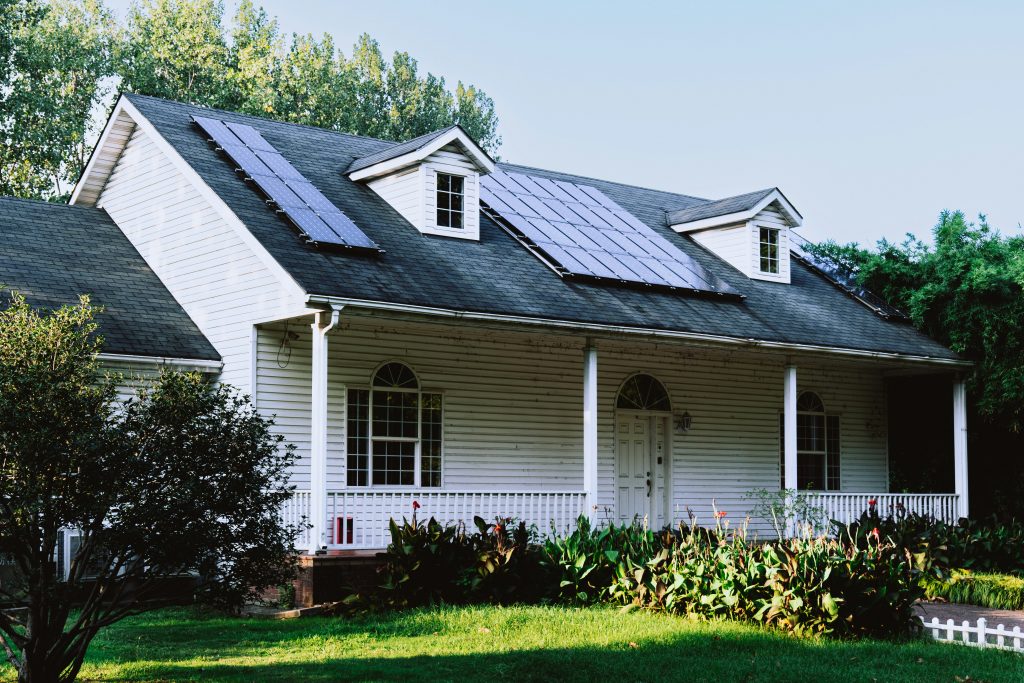
The racking system is the structural framework that secures solar panels to the roof. It transfers wind loads, snow loads, and panel weight into the roof framing while maintaining weatherproofing integrity.
Unlike panels and inverters, racking does not affect electricity production directly. Its role is mechanical and structural.
A properly engineered racking system ensures:
Code-compliant attachment to roof framing
Long-term waterproofing at penetration points
Load distribution consistent with local wind and snow requirements
Stable panel alignment and spacing
In most Maryland residential installations, racking performance is governed more by installation quality and roof condition than by manufacturer branding.
B. The Three Common Systems in Maryland
IronRidge
IronRidge is one of the most widely used residential racking manufacturers in the United States. Its XR rail system and FlashFoot2 attachment are common on asphalt shingle roofs.
Typical characteristics:
Aluminum rail-based system
Integrated flashing components
Structural engineering documentation for most jurisdictions
UL 2703 listing for bonding and grounding
25-year limited warranty
IronRidge systems are designed for rapid installation and standardized structural compliance. They are widely accepted by building departments and inspectors.
Unirac
Unirac is another established U.S. racking manufacturer with a long presence in residential and commercial solar.
Common residential products include:
SolarMount rail systems
FlashKit Pro attachment solutions
Rail-less configurations in certain applications
Typical characteristics:
Aluminum rail-based architecture
Engineered attachment spacing tables
Integrated grounding
20–25 year warranty depending on product line
Unirac systems perform similarly to IronRidge in most residential applications. Differences are typically installer preference and distributor relationships rather than structural capability.
EcoFasten
EcoFasten specializes in roof-specific attachment solutions, particularly flashing and waterproofing components.
Their products are often used in combination with rail systems from other manufacturers.
EcoFasten products are commonly selected in projects where roof material or structure requires specialized attachment hardware.
C. Where Meaningful Differences Exist
Roof Type Compatibility Different racking systems integrate differently with asphalt shingle, metal, tile, or flat membrane roofs. The primary performance variable is whether the attachment is engineered and installed correctly for that specific roof type.
Attachment Engineering Manufacturers provide load tables that determine attachment spacing based on wind speed, snow load, and roof pitch. In Maryland jurisdictions with higher wind exposure, attachment density may increase regardless of brand.
Flashing and Waterproofing Design The method used to seal roof penetrations such as mechanical flashing, integrated gasket systems, or metal tile hooks, which all affect long-term roof integrity more than rail branding.
Rail-Based vs Rail-Less Rail-less systems reduce material use and may lower cost, but require precise attachment alignment. Rail-based systems offer more flexibility during installation.
None of these differences materially affect electricity production. They affect structural reliability and roof protection.
D. Where Differences Are Often Overstated
Marketing language occasionally frames racking systems as performance-enhancing components. In residential applications, racking does not increase panel output.
Claims of “stronger rails” or “premium aluminum” typically exceed the structural demands of a residential roof when systems are engineered according to code.
For most homeowners, the critical variable is not brand selection.
A reputable installer using IronRidge, Unirac, or EcoFasten components can produce a structurally sound installation when design and workmanship are appropriate.
E. What to Look At
Roof age and condition prior to installation Engineering documentation for attachment spacing Flashing method for penetrations Compatibility with roof material Workmanship warranty covering roof penetrations
F. What Often Gets Overemphasized
Brand prestige within mainstream residential racking manufacturers Minor differences in rail thickness or profile Cosmetic features that do not affect structural performance Proprietary hardware that does not materially change attachment integrity
In Most Maryland Residential Systems
Racking selection is primarily a matter of roof compatibility and installer preference among established manufacturers.
IronRidge, Unirac, and EcoFasten are all capable of meeting structural code requirements when installed correctly. The more consequential variables are roof condition, attachment engineering, and workmanship.
Racking should be evaluated as part of the full system design rather than as a standalone performance feature.
→ See also: Panels – Inverters – System Design – Installation Quality