Understanding Panels, Inverters, Batteries, and System Design
If you are researching solar equipment, you have probably already seen brand names, wattage claims, efficiency percentages, and performance guarantees.
It can feel overwhelming.
This section exists to organize that information clearly.
Here you will find structured, neutral breakdowns of:
Solar panel manufacturers and wattage ranges
Efficiency ratings and degradation schedules
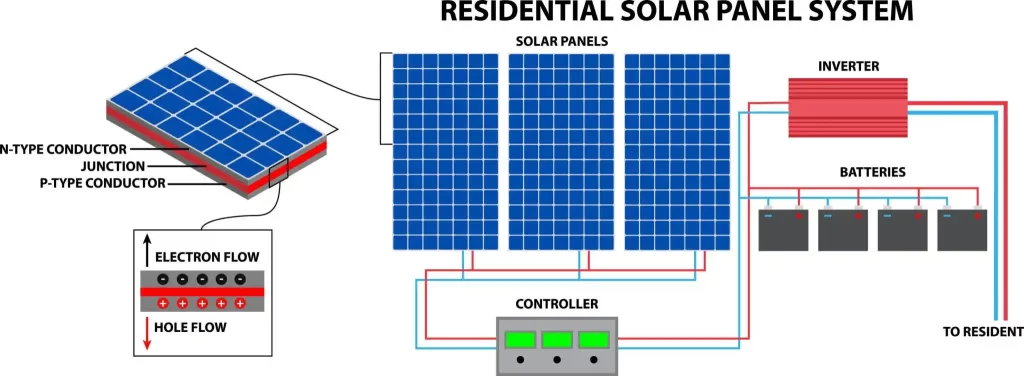
Inverter types and electrical architecture
Battery storage options
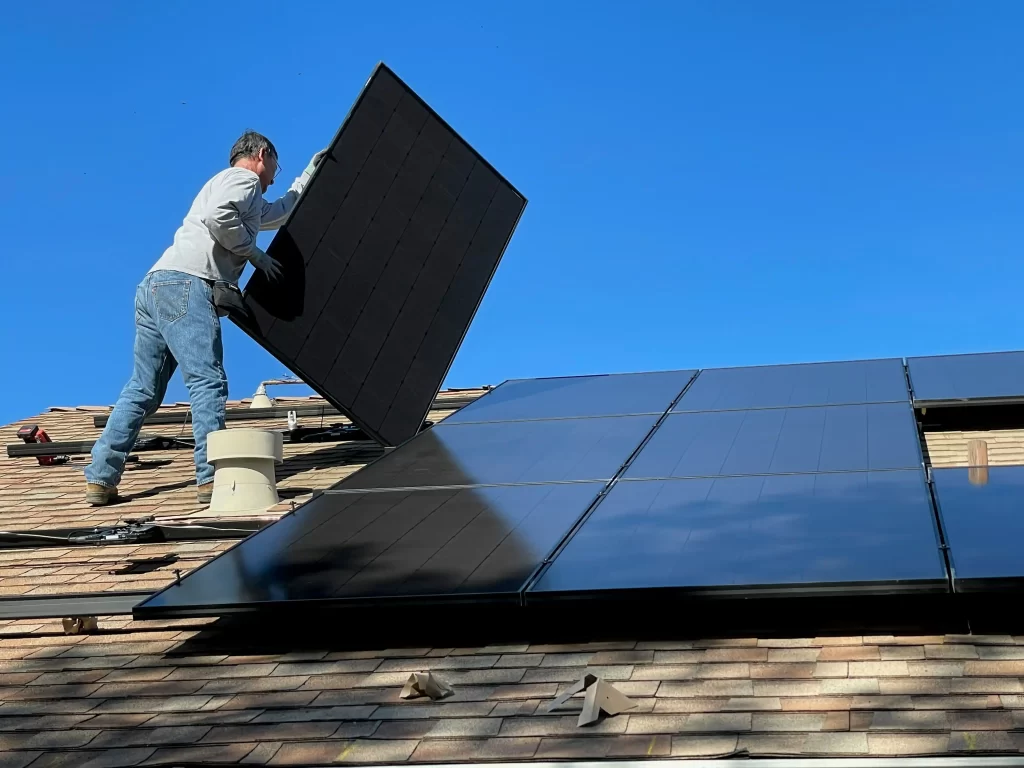
Racking systems and roof integration
Production modeling and performance assumptions
Our goal is not to promote one manufacturer over another. It is to explain how modern residential solar technology actually works and where meaningful differences exist.
How Residential Solar Panels Actually Compare
Most Tier-1 residential solar panels available today operate within a very narrow performance band.
Typical characteristics across major manufacturers:
Efficiency: 20%–22.5%
Annual degradation: ~0.25%–0.5%
25-year performance warranties
Similar silicon wafer construction
Similar temperature coefficients
The differences between reputable panel brands are often incremental, not transformational.
A 410W panel from one manufacturer does not produce “twice as much power” as a 400W panel from another. The performance variance over 25 years is usually measured in single-digit percentages, not dramatic swings.
In most Maryland residential projects, system design, roof orientation, shading, financing structure, and local utility rates have a far greater impact on long-term results than panel brand selection.
That does not mean equipment does not matter. It means the conversation should be proportional.
What Actually Drives Project Performance
When evaluating a solar system, the variables with the most influence on real-world outcomes are:
Total system size relative to annual electricity usage — Roof orientation, pitch, and shading — Inverter architecture and how shading is managed — Local utility net metering structure and credit rates — Incentive eligibility, including SRECs, the federal tax credit, and state programs — Electricity rate trajectory in your utility territory
Technology is one component of a larger financial and structural equation. Understanding it clearly makes it easier to evaluate what a proposal is actually offering — and whether the numbers hold up.
The pages below break down each component in detail.
Panels
What differentiates manufacturers, how to read a spec sheet, and what to look for in a proposal
Inverters
String inverters, microinverters, and power optimizers: how each handles shading and what the tradeoffs are.
Batteries
When storage makes sense, how capacity is measured, and how backup and grid programs work.
Racking
Roof integration, mounting systems, and what installation quality looks like.
System Design
How all the components come together and what good production modeling requires.
Performance Modeling
How production estimates are generated, what assumptions to verify, and how to evaluate the numbers in a quote.